Books, ideas, and a way of thinking passed forward
A stronger starting point. The freedom to go farther.
I began writing because I wanted some of the thinking behind my choices to remain available to my children after the conversation ended. The books grew from there—into questions about what we inherit, who can teach us, what we create, and what we choose to pass forward.
Leave those who come after a stronger starting point and the freedom to go farther.The story begins with lived experience, not a system.
Where it began
A life becomes useful to someone else when the story leaves room for their own.
These books are personal, but they are not meant to make someone else live my life. They preserve stories, mistakes, relationships, decisions, questions, and ways of thinking so a reader can recognize something in their own experience—and then decide what belongs in their own way forward.
The books
Five works. One widening journey.
The first book begins with one life. The second widens the circle of teachers. The third asks what we can create from everything we have learned. The fourth opens the making of the work itself. The fifth turns the question toward the reader: what will you do with all of it now?
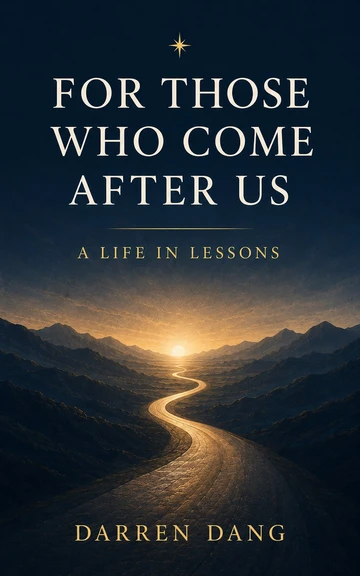
Published
01 · A LIFE IN LESSONS
For Those Who Come After Us
A Life in Lessons
What has life taught me—and what is worth passing forward?
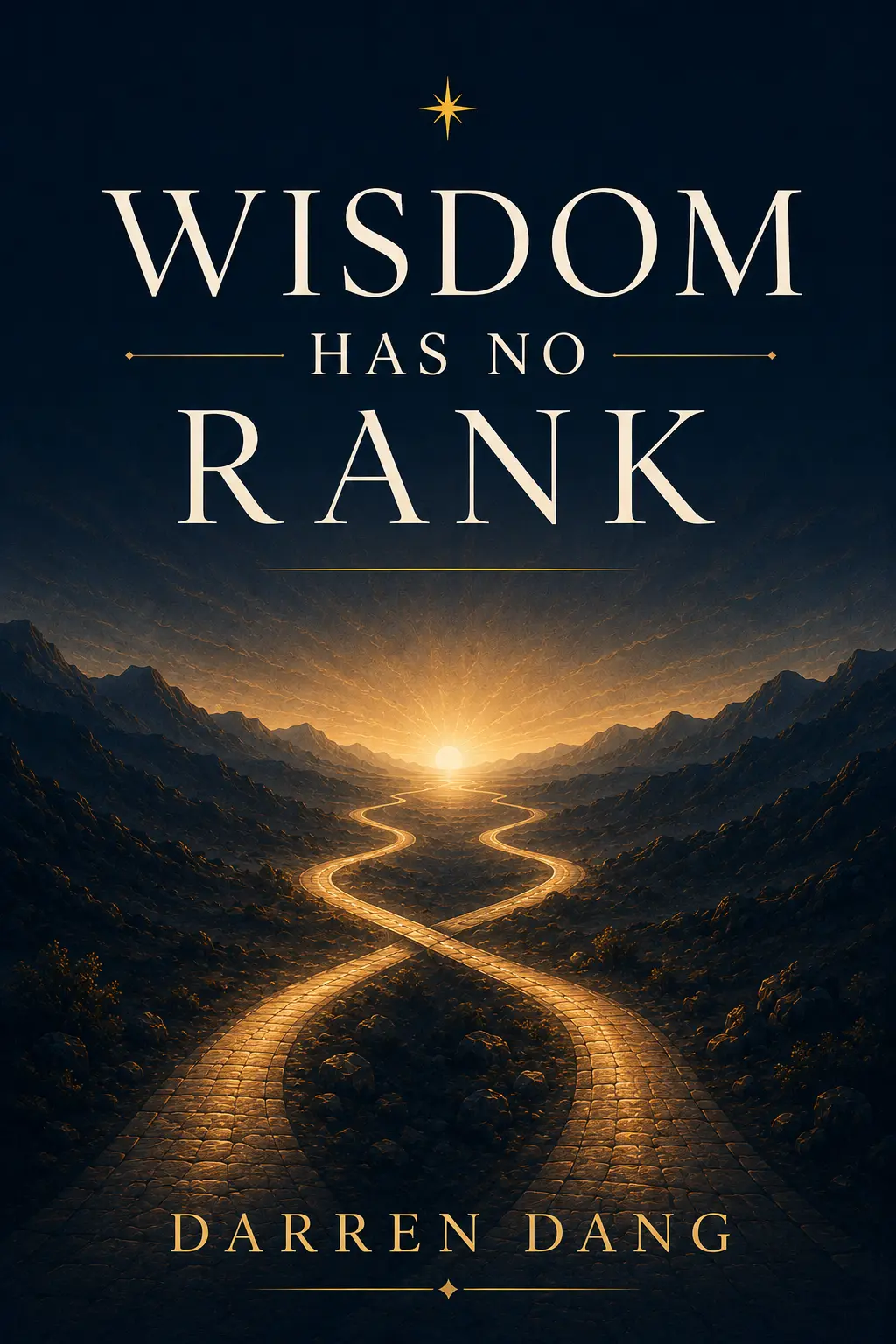
Final Proof
02 · UNEXPECTED TEACHERS
Wisdom Has No Rank
Who else might have something to teach me?
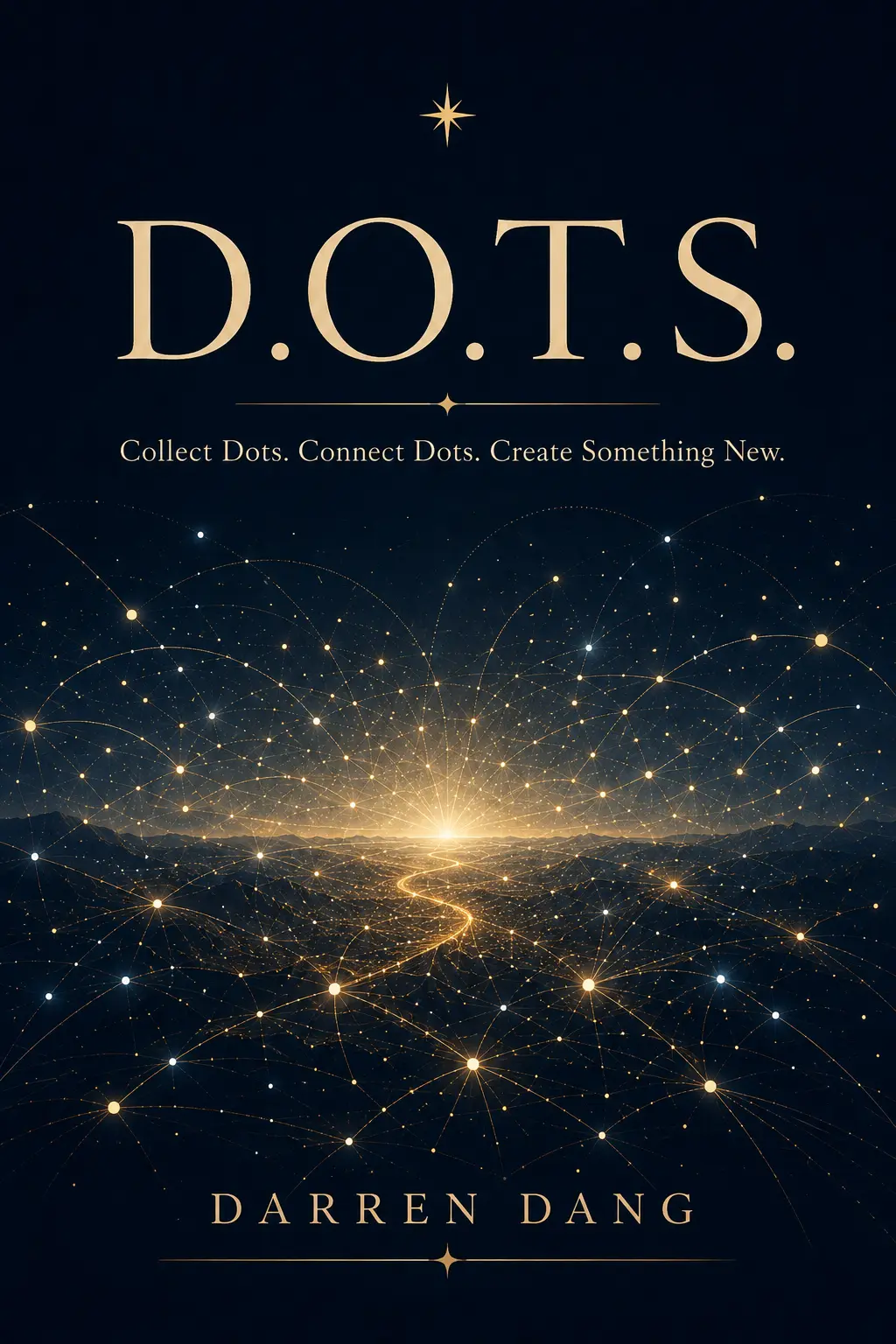
Physical Proof Ordered
03 · SEEING & CREATING
D.O.T.S.
Collect Dots. Connect Dots. Create Something New.
What can I make from everything I have learned?
In Development
04 · HOW THE WORK WAS MADE
The Making of The Way
How Conversation Becomes Discovery
What happens when a human and AI think together over time?
In Development
05 · YOUR NEXT STEP
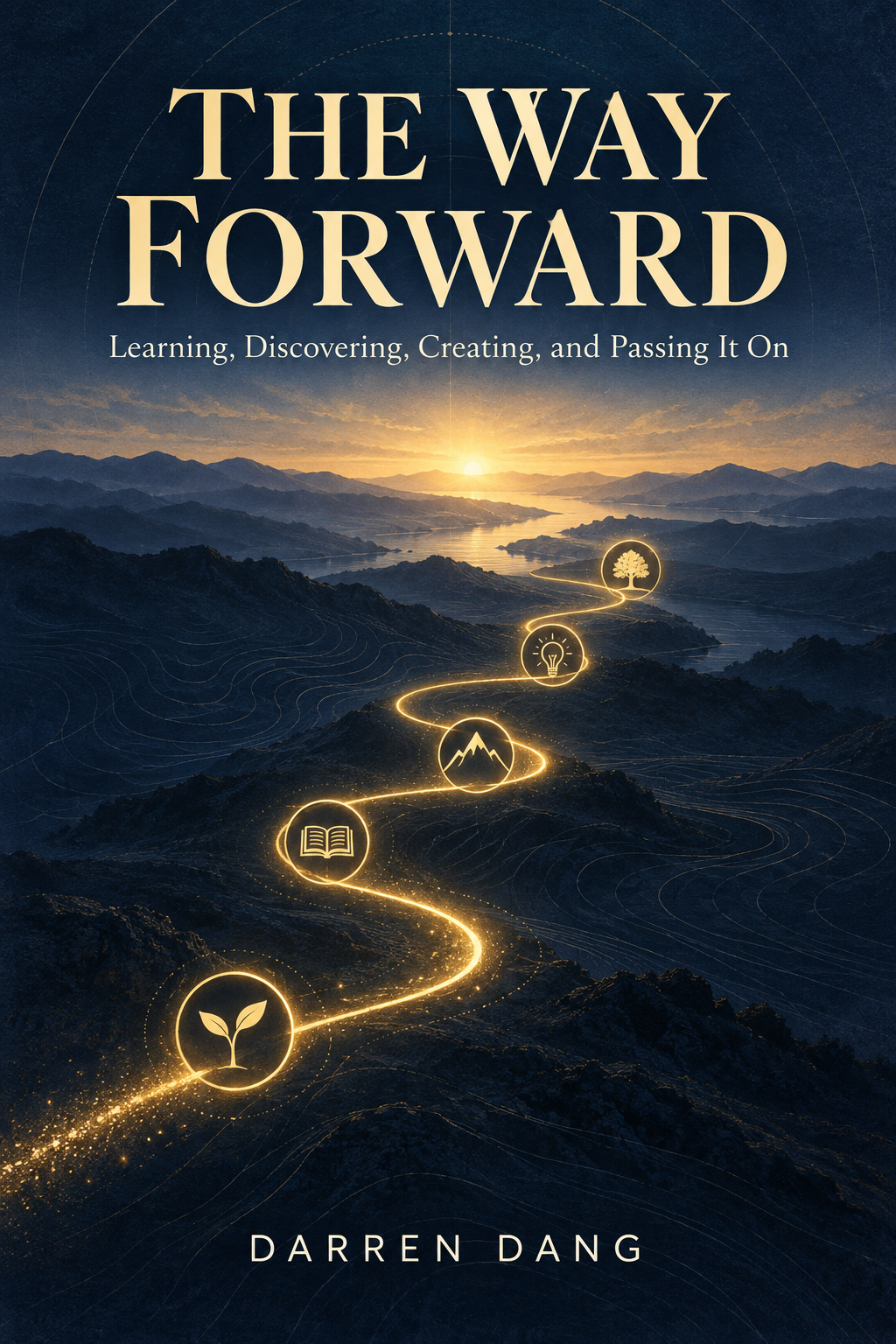
The Way Forward
Learning, Discovering, Creating, and Passing It On
What will you do with what you inherit, learn, and discover?
What the books began to reveal
I eventually needed a name for the pattern underneath the stories.
The books came first. Across them, a larger pattern kept becoming visible: learn from what came before, remain teachable, widen where you look, create with judgment, and leave room for the next person to continue. I came to call that pattern The Way.
Receive what may help.
Stories, lessons, mistakes, relationships, questions, and accumulated experience can give someone else a stronger place to begin.
Explore The Way →Question it. Test it. Make it your own.
No inheritance should decide another person's destination. Keep what helps, challenge what does not, and let reality refine the map.
Explore Your Way →Live what comes next.
The Way Forward is what happens when inherited wisdom meets present reality and your own judgment, relationships, choices, and consequences.
Explore The Way Forward →Ideas in practice
The thinking came from doing things that had to work.
The Way did not grow only from reflection. The same habits were shaped by building systems, making public decisions, working across disciplines, testing ideas, seeing what failed, and changing course when reality disagreed.
PUBLIC PLANNING
Make the tradeoffs visible.
A preschool planning problem became clearer when a tool from marketing exposed the same decision structure beneath very different surface language.
See the LAUP case →TECHNOLOGY
Let reality disagree.
A promising court automation was stopped when the evidence showed the technology was not reliable enough. Persistence stayed attached to the purpose, not the first method.
See what the test taught →KNOWLEDGE WORK
Automate the repetition. Preserve human judgment.
Good technology should move human attention toward the parts of the work that require context, responsibility, and judgment—not merely digitize every step.
Explore the idea →Letters from Darren
Things I am still learning.
Not every lesson waits for a book. The Letters preserve stories, questions, failures, discoveries, and changed judgments while the learning is still moving.
A new Letter / Song · 25 Years After September 14, 2001
Bố Ơi
Twenty-five years after my father's passing, I return to the promise I made in his funeral booklet and ask a harder question: what did I do with what he gave me?
In 2001, I made a promise in grief. In 2026, I owe him an accounting.
Listen & read →Go deeper
The books are the doorway. The wider ecosystem preserves what keeps growing around them.
Ideas develop beyond a single chapter. Papers test larger propositions. The Dang Genome preserves relationships, provenance, and connected learning. Shared Wisdom leaves room for other voices to add, correct, and continue the work.